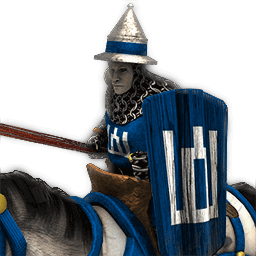
Leitis
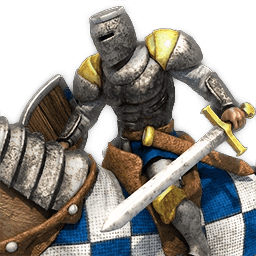
Lithuanian unique cavalry unit with attack that ignores armor.
Coste


Combate
Entrega
Valores base antes de tecnologías y mejoras; en una partida avanzada suelen ser mayores.
Línea de evolución
- Leitisde los Castillos
- Leitis ÉliteImperial

Leitis es fuerte contra
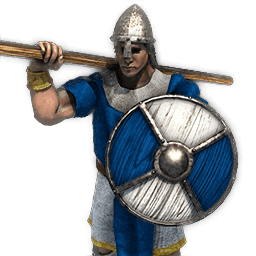
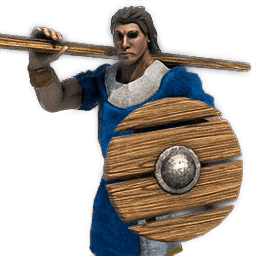
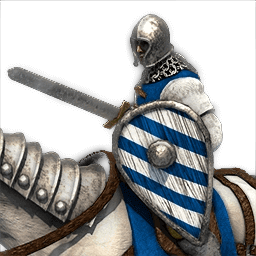


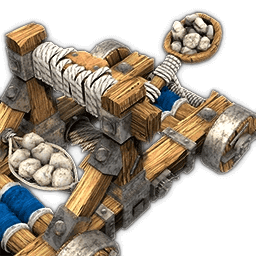
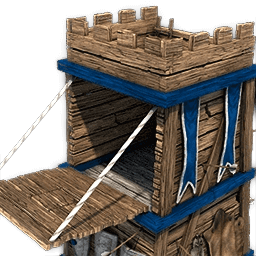
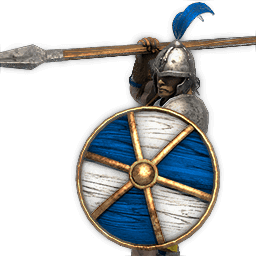
Leitis es débil contra
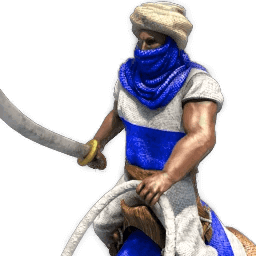
Conocimiento
Clases de armadura
Determina qué bonificaciones de ataque le afectan.
Civilizaciones
Unidad exclusiva de esta civilización.
Mejoras clave
Edad Feudal
- Bloodlines
+20 HP for mounted units
Edad de los Castillos
- Husbandry
+10% Speed for mounted units
Tácticas
The Leitis is a heavy cavalry unit, similar to the Knight line, with more Line of Sight in the Castle Age, less hit points in Imperial Age, a cheaper gold cost but slightly more food cost, more speed, less armor, and higher attack and the ability to bypass enemy armor. Aside from the for every Town Center constructed, the Lithuanians have no real economy bonus that helps them in the Castle Age, and while an early rush into fast Castle is a viable strategy, in most cases the player would follow this up with Knights rather than Leiciai. Most of the time, the player is better off focusing on Knights until the late Castle Age. If the player starts with a Castle (like in the Regicide game mode) or the game reaches such a point, Leiciai generally outperform Knights in a few ways: * In the Castle Age, Leiciai ignore melee armor and have +3 attack over Knights (and this high attack can be amplified further with Relics). * In the Imperial Age, they are cheaper and much quicker to upgrade If the player's economy is thriving, and the player manages to create at least three Castles, they may prefer the Leitis over the Knight line if the enemy is not making archer units. Their armor-ignoring ability helps them easily defeat well-armored units like the Serjeant, the Teutonic Knight, or the Boyar, leaving units like these basically "naked". The special attack of the Leitis also has the advantage that it negates every armor technology at the Blacksmith researched by its opponents, bonuses regarding melee armor, or unique technologies that improve melee armor, so if an opponent researches all of these technologies against a pure Leitis army, it will be a waste of resources that could be better spent on more units or attack technologies, rather than increasing armor. For the Leitis itself, the increased attack technology at the Blacksmith will amplify their already powerful anti-armor attack. A common dilemma for Lithuanian players in the late game is whether to use Paladins or Elite Leiciai, as both are affected by the Relic bonus. This depends on the situation and available resources. If it is a 1v1 match and there are not large amounts of archers, or if there are some specific match-ups (e.g. durable melee-armor units), the Leitis should be preferred, since their attack deals much higher damage and can decimate the enemy army much quicker. But in team games and particularly in a pocket position as well as against large groups of archers and to destroy enemy bases, the player should prefer Paladins instead, since their hit points and pierce armor are higher, and they can still also deal a fair amount of damage, which can be high as 20 with all four Relics collected. As a cavalry unit, the Leitis can be cost-effectively countered by any of the common anti-cavalry counters, such as Halberdiers but with just two Relics, the Elite Leitis can kill Halberdiers in three hits. Camel Riders can also pose a threat to them, since they have high attack bonus against cavalry and are tankier than Halberdiers, although in some cases, Leiciai can actually survive a combat and trade cost-effectively against Camel Riders, due to the latter's slightly lower attack speed and higher gold cost than Leiciai. Leiciai still will not fare well against Battle Elephants and Imperial Camel Riders, so it is advisable to avoid these match-ups. In addition, they can be defeated by other unique units such as the Samurai, Kamayuk, Genoese Crossbowman, Mameluke, Bolas Rider, and War Elephant. They can struggle against Blackwood Archers (being very cost-effective and dealing high damage quickly with Curare), Jaguar Warriors (especially with Garland Wars and extra attack after killing military units, dealing even more damage to Leiciai than what they receive from Leiciai attacks), Urumi Swordsmen (who are able to defeat them by a small margin with Wootz Steel if the Leiciai are not boosted by Relics) and Liao Daos (with their bleeding damage and damage reflection with Lamellar Armor, resulting in a reflection of 4.5-5.5 damage), though they will receive a lot of damage from Leiciai. Leiciai can also suffer against large groups of foot archers, mounted archers and even Hand Cannoneers due of having less hit points and pierce armor than a Paladin, even when they are faster than them. At the same time, with two Relics, Elite Leiciai can kill Arbalesters and Hand Cannoneers in two hits and Heavy Cavalry Archers in four hits. So, while being more fragile against ranged attacks, at the same time, they can do higher damage when reaching them. For this reason, using Leiciai in conjunction with the fast and armored Lithuanian Skirmishers is necessary when facing archer civilizations. One important property is that the armor-ignoring attacks of Leiciai do not work against siege units, ships, and buildings. Not working against siege units is a buff against rams, since they have negative melee armor, thus enhancing the Leitis' attack even more. However, it hinders them against Bombard Cannons, Trebuchets, and siege units with Ironclad. Not working against buildings is a balance change made before the launch, since it had +10 attack against Castles as an extreme case. Leiciai are more of a 1vs1 unit because of less varied enemy army (it will be either cavalry-focused or archer-focused) and less reliance on gold. They are less preferred in team games, due to gold being more easily available and the Paladin being more well rounded. Also, Relics are easier to get, since they are more in number (Elite Leiciai usually do not offer much improvement after two Relics except against buildings and Bombard Cannons). As a raiding unit, a fully-upgraded Elite Leitis with two Relics can kill a Villager in two hits, whereas the Lithuanian Paladin always needs three hits against a Villager with Loom, even with all four Relics. However, the Paladin is much less vulnerable to defensive structures due to its higher pierce armor and hit points.
Consejos
- Their attacks completely ignore enemy melee armor making them deadly against Boyars and Teutonic Knights.ageofnotes
- They are heavily countered by halberdiers who deal massive anti cavalry damage.ageofnotes
- Monks can convert them easily if they are not supported by fast light cavalry.ageofnotes
- They have relatively low pierce armor making them vulnerable to massed Arbalests.ageofnotes
- Gathering Relics increases their attack power significantly so always prioritize map control.ageofnotes
- Your 13 attack ignores ALL armor - you deal 13 damage to everything regardless of their defenses. This makes you devastating vs high-armor units like Teutonic Knights, Boyars, and Paladins. With 100 HP and 1.4 speed, you're fast and fairly tanky. But your 1/1 armor means you take more damage than Knights. You're an armor-killer, not a tank.aoecoach
- Only 1/1 armor. Knights deal 10 damage to you (12-2) but you deal 13 to them. You win 1v1 but take more damage in mass fights.aoecoach