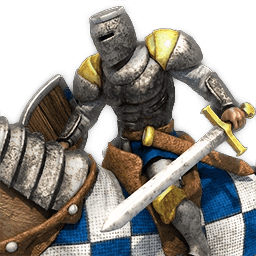
Caballero Real
Powerful all-purpose cavalry.
Coste


Combate
Entrega
Valores base antes de tecnologías y mejoras; en una partida avanzada suelen ser mayores.
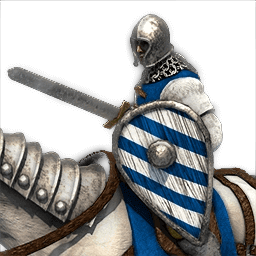

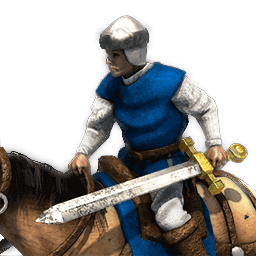
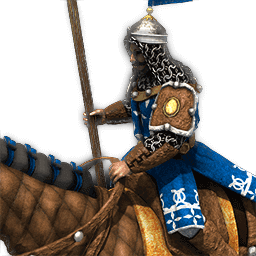
Caballero Real es fuerte contra

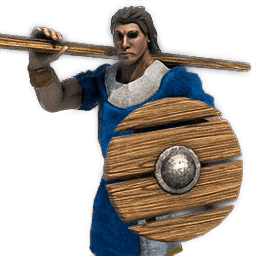
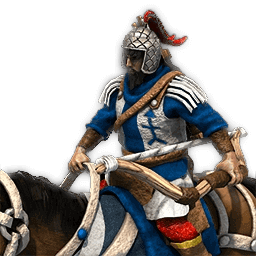
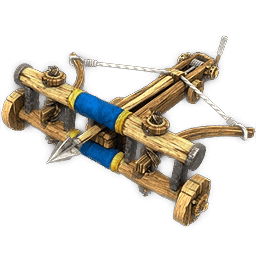
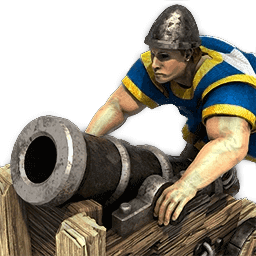
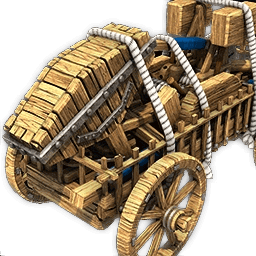
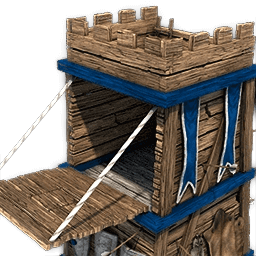
Caballero Real es débil contra
Conocimiento
Clases de armadura
Determina qué bonificaciones de ataque le afectan.
Mejoras clave
Edad Feudal
- Bloodlines
+20 HP for mounted units
Edad de los Castillos
- Husbandry
+10% Speed for mounted units
Tácticas
Cavaliers are a powerful and versatile addition to almost any army composition. Their high attack and speed make them great for raiding and flanking, coupled with high hit points and damage resistance to provide a perfect meatshield for ranged units and siege on the frontline. As an upgrade, the Cavalier gives +20 hit points and +2 attack. With its cheap cost, this makes it a great upgrade to pick up early on. Also suffering from the same pitfalls as the Knight, Cavaliers are hard countered by Halberdiers and Heavy Camel Riders, and are vulnerable to conversion by Monks. Although some civilizations can upgrade to Paladins, the Cavalier is often a more cost-effective choice, especially in 1v1 matches where the supply of gold is limited. If the player's army composition is not weighted towards heavy cavalry, Cavaliers with Bloodlines and Plate Barding Armor should suffice. However, their durability against ranged attacks is still notably inferior to even Byzantine Paladins (who lack Bloodlines, but have Plate Barding Armor). For instance, 35 Arbalester shots or 28 Heavy Cavalry Archer shots are enough to kill one, which make Cavaliers overall a weaker counter to archers in general, but with enough numbers, they can still last enough to reduce the larger number of archers that threaten them. Some civilizations that lack the Paladin upgrade have either a civilization bonus or unique technology that improves the combat strength or cost-effectiveness: the Portuguese Cavalier costs and the upgrade, as well the Blacksmith technologies affecting them, are researched 25% faster, being able to be deployed and upgraded in a reasonable time. The Berber Cavalier is 20% cheaper, which helps create more of them. Despite lacking Plate Barding Armor, the Poles can get Cavaliers costing only with the Szlachta Privileges technology, essentially making them a viable option when gold starts to run out and still allowing them to overwhelm enemies in melee combat. The Burmese Cavalier gets extra attack against by researching Manipur Cavalry, making it a strong counter to archer units (and compensating for the Burmese having some of the worst Skirmishers in the game). The Malian Cavalier, despite lacking Blast Furnace, gets +5 attack by researching Farimba, which puts them at the second strongest Cavalier in melee combat (it gets one more attack than a fully upgraded generic Paladin). The Bulgarian Cavalier attacks 33% faster, thanks to Stirrups, making it the strongest Cavalier in melee combat and giving it the highest potential damage per second among the cavalry units in the game (excluding elephants), even outperforming Lithuanian Paladins with 4 Relics collected (11.85 vs 10.53). The Roman Cavalier is the fastest-trained one in the game, thanks to Comitatenses, which decreases their training time by 50% and also grants them with a charge attack of 5. They are even faster to train than Frankish ones, while also having good damage potential. The Georgian Cavalier takes 15% less damage fighting at higher elevation, regenerates 15 hit points per minute, and takes 0.85 population space thanks to Aznauri Cavalry, making them very useful in certain terrains, enhancing their durability, and making them better at taking population space in the late game. The Sicilian Cavalier absorbs 33% of incoming bonus damage and can get higher conversion resistance and armor more than a Paladin, thanks to the First Crusade and Hauberk technologies, respectively, making it the best against the regular counters of Cavalry (Monks, Halberdiers and Heavy Camel Riders) and much better against Archers and in raiding. However, it has the advantage of +1 melee armor only in melee combat, which does not mean much. Hence, both Malian and Bulgarian Cavaliers perform similarly in melee combat to generic Paladins while being cheaper to upgrade and sharing the effect with other Cavalry units as well, and Sicilian Cavaliers perform similarly to generic Paladins against Archers and in raiding. The Persians can upgrade the Cavalier to the Savar instead, which specializes as an anti-archer heavy cavalry. Among Paladin civilizations, the Burgundians are a particular case, as they can research the Cavalier upgrade in the Castle Age and 50% cheaper. However, they lack Bloodlines, which can be a useful power-spike for early Castle Age, while also allowing an easy transition to the Paladin in the early Imperial Age. In the Castle Age, they are equal in strength to Lithuanian Knights with two Relics, having the advantage of guaranteed +2 attack by researching the Cavalier upgrade, the while Lithuanians need to invest in map control and Monks to get the benefit. However, the Relic bonus can scale up better in longer games, as with three Relics, Lithuanian Knights are stronger.
Consejos
- The Cavalier is your Imperial Age workhorse. With 120 HP and 12 Attack, Cavaliers hit harder and survive longer than Knights. They're the stepping stone to Paladins, or the final form for civs without Paladin access. Still weak to Halberdiers and Heavy Camels, but dominant against archers and siege. Classes: Cavalry.aoecoach
- Halberdiers deal 38 damage per hit to you now. Heavy Camels are also very dangerous. You need support units to deal with these counters.aoecoach