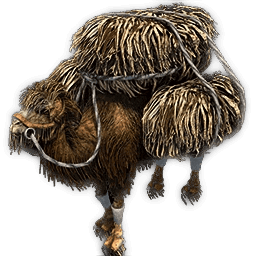
Flaming Camel
Incendiary camel loaded with flammable hay and brush. Self-destructs when used.
Coste


Combate
Entrega
Valores base antes de tecnologías y mejoras; en una partida avanzada suelen ser mayores.
Flaming Camel es fuerte contra
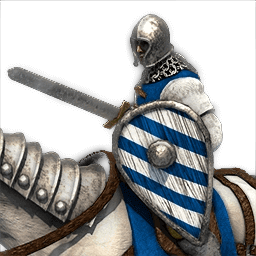


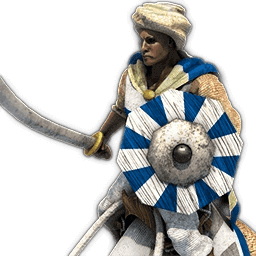
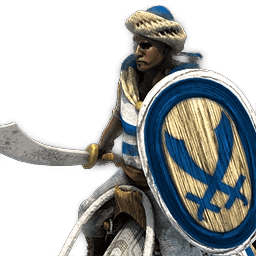



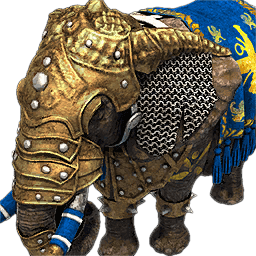



Flaming Camel es débil contra





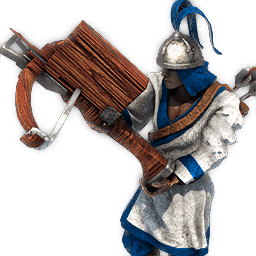
Conocimiento
Bonificaciones de ataque
Clases de armadura
Determina qué bonificaciones de ataque le afectan.
Civilizaciones
Unidad exclusiva de esta civilización.
Mejoras clave
Edad de los Castillos
- Husbandry
+10% Speed for mounted units
Tácticas
thumb|180px|A Petard (Age of Empires II)|Petard and Flaming Camel being used to blow up an enemy wall. Flaming Camels are not classified as cavalry units, but just as mounted units. As such, they benefit from neither Forging nor Scale Barding Armor. They are also unaffected by Silk Armor. There is no method to increase their armor. It is advisable to use Flaming Camels against large contingents of mounted units, despite the fact that they explode when used. Their bonus damage enables them to kill most kinds of mounted units in two or three blows while also dealing splash damage to all enemy units nearby. Flaming Camels are one of the best counters against packed groups of War Elephants, Battle Elephants, Ballista Elephants, Elephant Archers, and Siege Elephants, with each blow dealing at least 200 total attack against said units (though armor and blast distance can reduce the damage dealt). So, it is highly viable for a Tatar player to make use of Flaming Camels against civilizations that have access to an elephant unit. When used against mounted units, it is advisable to support them with Heavy Camel Riders so they can finish the units that survive the detonation. Like Petards, Flaming Camels are a single-use unit. Nevertheless, Flaming Camels are inferior to them in the anti-building role. They also cost gold and have only one use: their course of action must be chosen wisely and/or with adequate support of other units. As expected, Pikemen and Elite Skirmishers can be cost-effective against them. Flaming Camels have no pierce armor and do not benefit from armor technologies, so they are destroyed quickly by ranged units. Researching Husbandry can greatly compensate this, and pose a big threat towards big groups of Cavalry Archers when left unsupervised by the opponent. This is what gives them an edge against Petards as a unit killer (in a fashion like the Heavy Demolition Ship, but land-based). Similarly, making use of the Flaming Camels' speed overshadows their relative ineffectiveness against buildings, minimizing arrow fire taken from defensive structures like Castles, thus avoiding wasteful deaths. Flaming Camels perform moderately well against buildings, as they deal +200 bonus damage to the armor class. Being a siege unit, they must be used as a support unit for weakening or finishing an opponent settlement, but they are not very effective. In comparison to the Petard, the Flaming Camel does only damage to buildings. In other words, the Petard does damage to buildings compared to the Flaming Camel. Considering the latter costs +23.5% resources (), it does not even come out as cost-effective against buildings. For reference, a Keep can be brought down with 4 Petards, or 10 Flaming Camels. The numbers get worse against , since the Petard has additional 900 attack against those.
Consejos
- Commander, the Flaming Camel is a living bomb. At 1.3 speed, it charges into enemy formations and explodes for 200 damage to buildings. Against elephants, it deals 130 bonus damage - enough to one-shot most elephant units. Use Flaming Camels to break siege or destroy elephant armies. They're the ultimate counter to elephant civilizations.aoecoach
- They die when they explode - this is a one-use unit. Make sure each camel counts.aoecoach